

In product analytics, ownership drives outcomes
Most product analytics platforms have an admin. But very few have an owner. And without an owner, even the best-configured tool will eventually decay into something the organization stops trusting.
Welcome to Beyond The Click by Balboa. Last week, we hosted a DX Roundtable on how to start and scale an effective product analytics Center of Excellence (recording here). Today, we’re diving deeper into the ownership layer that makes the CoE work, including:
- Ivy needs a gardener 🌱
- Ownership means accountability for outcomes 📈
- What accountability looks like in practice 🚀
- The tool is rarely the problem 🔨
Let’s dive in.
Ivy needs a gardener 🌱
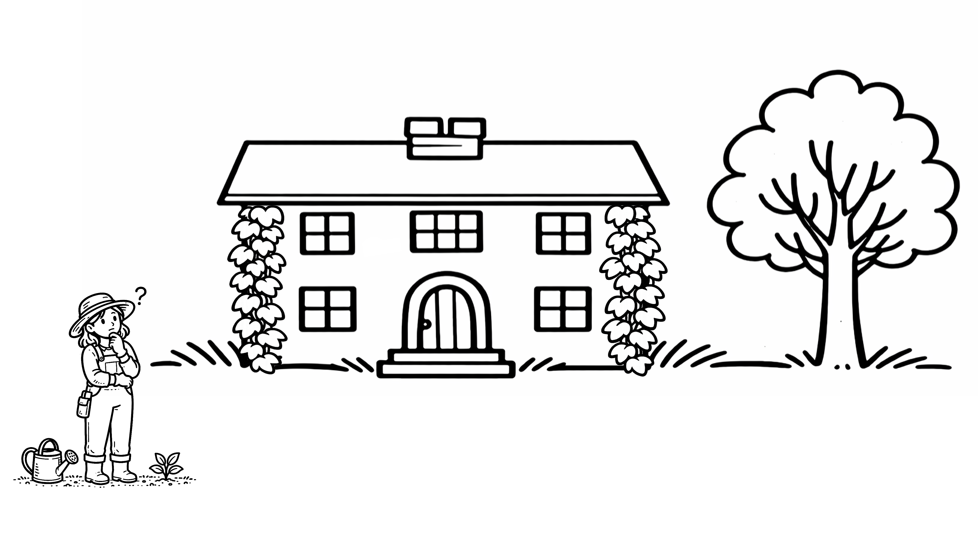
Ivy looks great on a house. In moderation, it adds something. But without a gardener who takes ownership of keeping it in check, it spreads, covers the windows, damages the roof, and eventually ruins the very thing it was supposed to enhance.
A product analytics platform works the same way. The implementation looks clean at first. The tagging is solid, the naming conventions are documented, and the data is trustworthy. But without active stewardship, the data drifts. Naming conventions break down as new features ship. Reports accumulate without descriptions. New team members arrive without the implementation context and start making decisions based on data they do not fully understand or trust.
Over time, the team stops relying on the tool. Not because the platform is bad, but because nobody is tending to it.
Ownership means accountability for outcomes 📈
A product analytics owner is not the person who has admin access. They are the person accountable for building and sustaining a Center of Excellence that actually delivers results:
- Maximized ROI on the platform investment
- Trusted data the organization acts on
- Retention and revenue outcomes driven by real behavioral insight
That is a materially different job than just holding the login. It means taking responsibility for whether the organization is genuinely getting value from its product analytics investment, and being the person who solves the problem when they are not.
What accountability looks like in practice 🚀
Owning a product analytics CoE means running data audits at least quarterly, maintaining naming conventions, and building training materials for new users so adoption does not erode with every new hire. It means being the accessible point of contact when something breaks or someone needs help. And, most importantly, it means being the person who brings product data into the room and connects behavioral signals to the business decisions the organization needs to make.
That last part is where ownership creates compounding value. When someone champions the tool that way, others adopt it. When nobody does, the data decays and the platform becomes shelfware.
The tool is rarely the problem 🔨
When a product analytics program underperforms, the instinct is to question the platform. But in most cases, the tool is not the issue. The issue is that nobody is accountable for making it work. The best-run programs we see are not necessarily running the most sophisticated platforms. They are running platforms that someone takes seriously enough to tend to, consistently, over time.
The question is not whether your product analytics tool is good enough. The question is whether anyone in your organization is actually the gardener.
Was this article helpful to you? Subscribe to Beyond The Click and get the latest on Product Success in your inbox every other Thursday.